Thinking about a move to Brunswick but not sure where to start? Relocating across state lines can feel like a lot to coordinate, especially when you are juggling work, family, or a retirement timeline. This 90-day plan gives you simple, clear steps you can follow to find the right home, manage inspections and financing, and arrive ready to settle into the Golden Isles. You will see what to do each week, how to tour efficiently, and how to close with confidence from out of town. Let’s dive in.
Why Brunswick and the Golden Isles
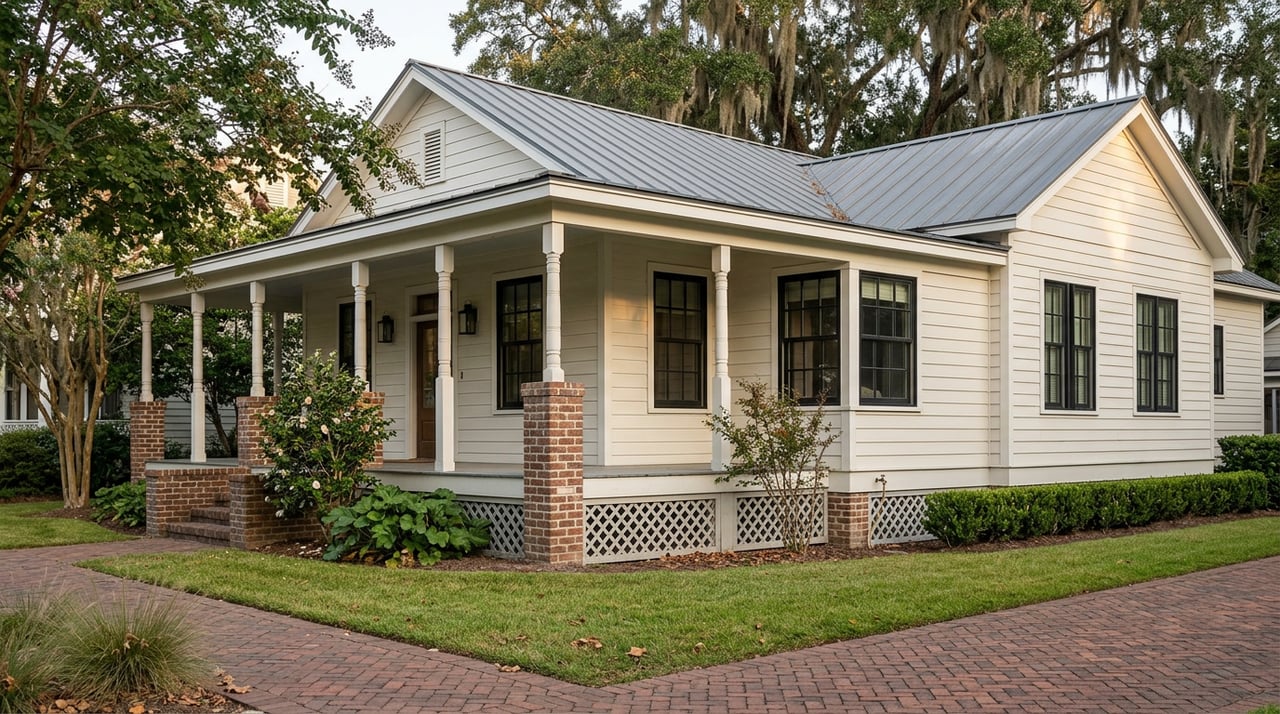
Brunswick sits in Glynn County on Georgia’s southeast coast. When people say “Golden Isles,” they usually mean Brunswick plus nearby island communities like St. Simons Island, Sea Island, and Jekyll Island. Each area offers a different lifestyle, housing type, and pace.
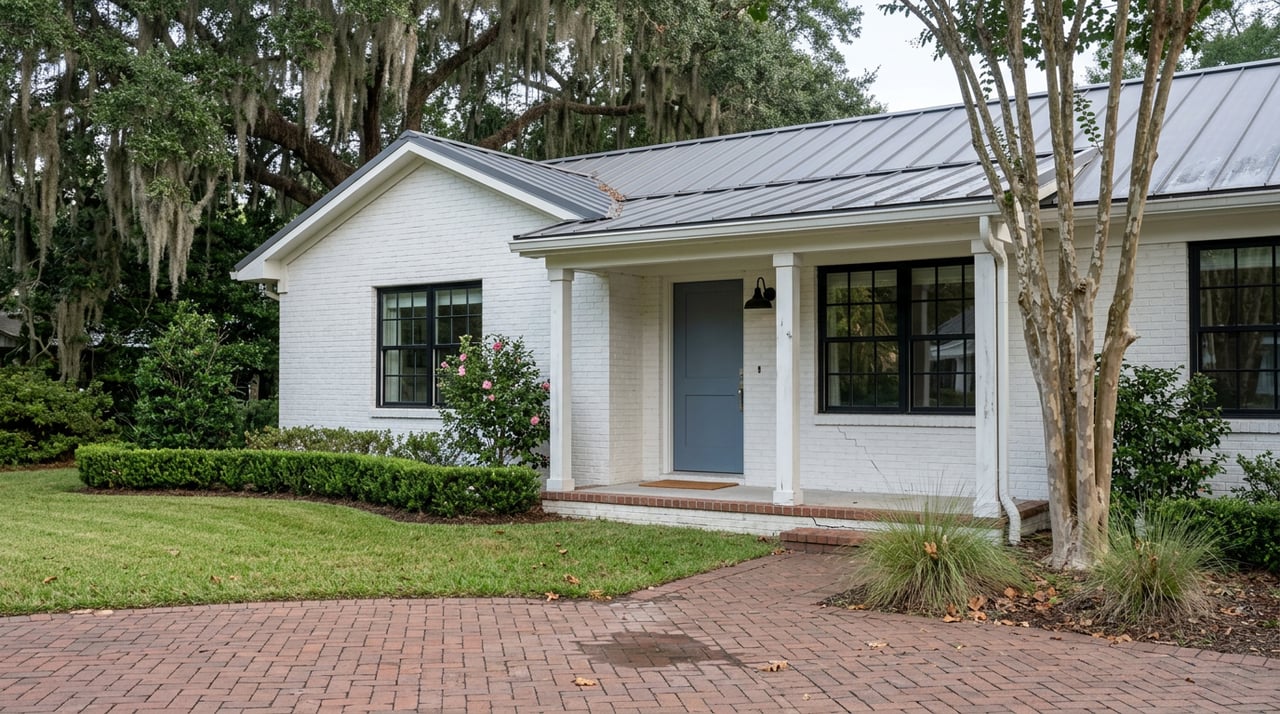
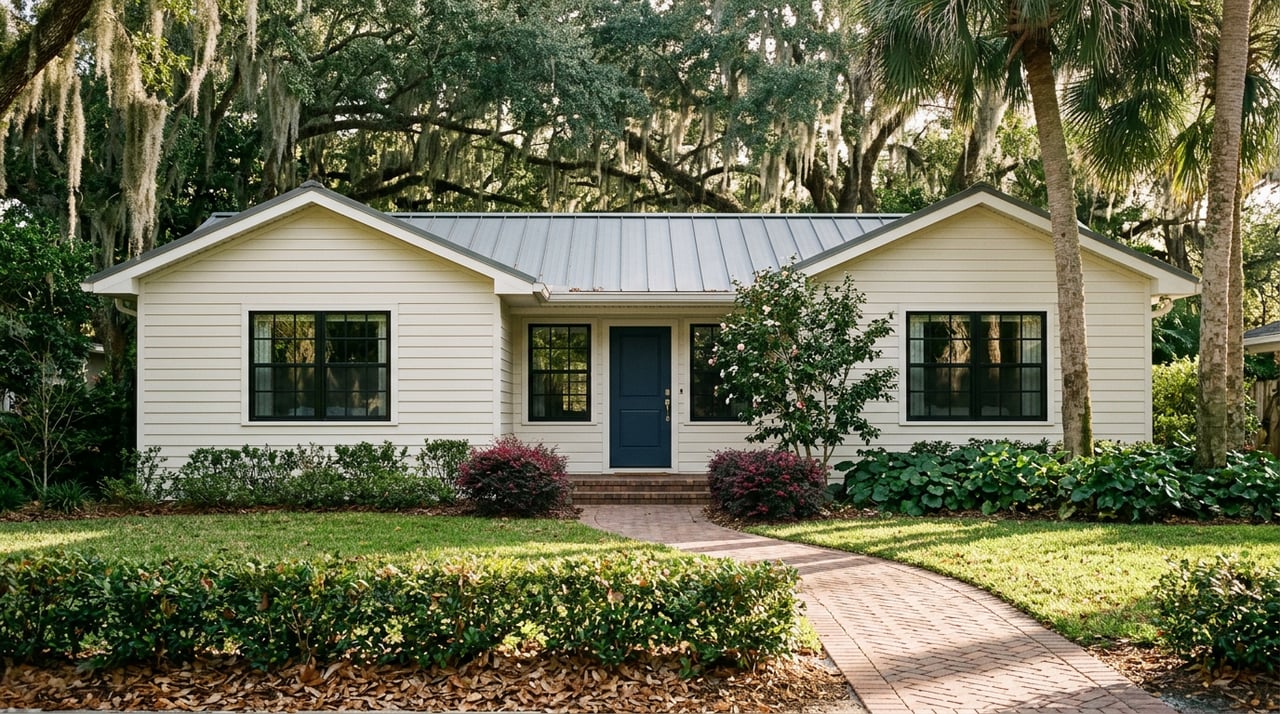
- Mainland Brunswick often features single-family homes and more entry-level options.
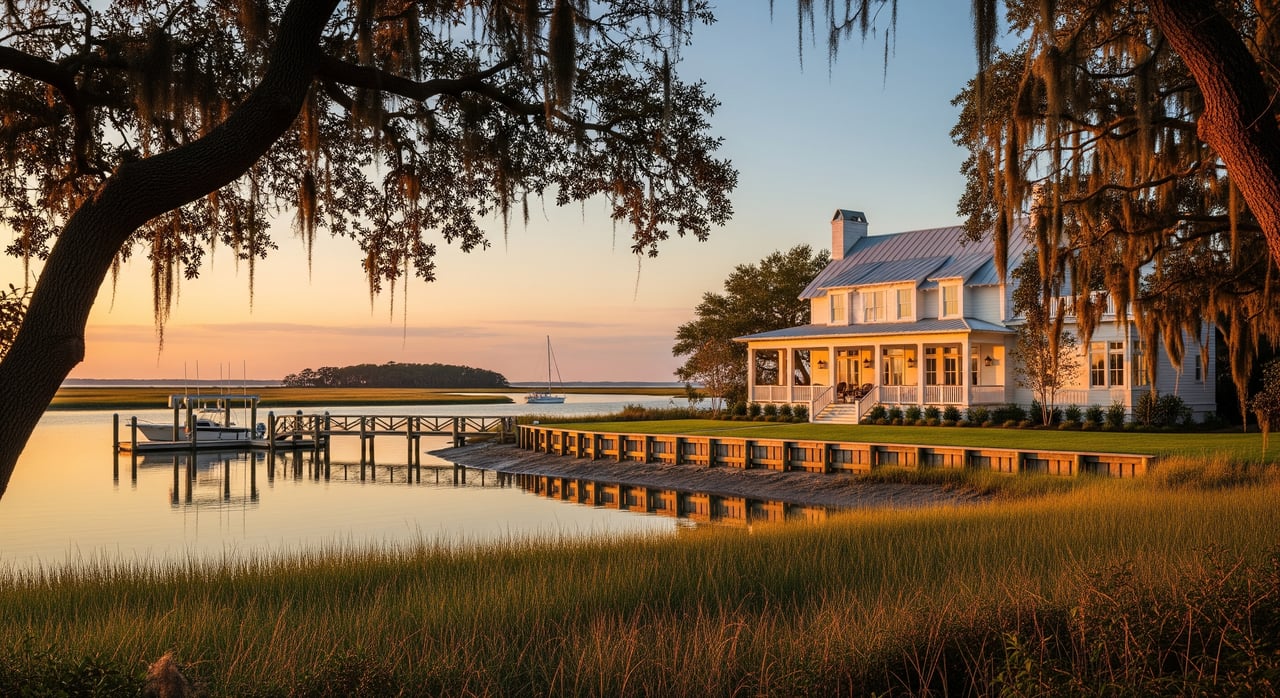
- The islands tend to have HOA communities and second-home or vacation properties, with more seasonal activity.
Before you choose a neighborhood, think about commute needs, healthcare access, flood risk, and how much maintenance you want. If you are financing, remember that insurance and flood zone status can affect both affordability and timing.
Your 90-day relocation timeline
Follow this week-by-week checklist to keep your move on track. Adjust the timing if you plan to pay cash or if you want more time for an extended search.
Weeks 1–2: Prepare and prioritize
- Define non-negotiables: budget, preferred areas (mainland Brunswick vs St. Simons vs Jekyll), property type, pet rules, single-level needs, and flood-risk tolerance.
- If financing, get a mortgage pre-approval and start gathering documents like tax returns, W-2s, pay stubs, and ID.
- Hire a local agent experienced with remote buyers and the Golden Isles market. Ask about virtual tours, vendor referrals for inspectors and closing, and how they coordinate long-distance steps.
- Schedule a virtual orientation to review neighborhoods, current market patterns, and sample homes.
Pro tip: Ask your agent for a curated shortlist and neighborhood videos so you can narrow the field before you travel.
Weeks 3–4: Remote search and trip planning
- Plan a 2–4 day house-hunting trip. Group showings by geography to avoid extra drive time, including causeway crossings to the islands.
- Request seller disclosures, recent utility bills, any available surveys, and HOA documents for top contenders.
- Arrange virtual walk-throughs for homes that look promising so your in-person tour is focused.
- If financing, ask your lender about local appraisal timing and when they will order it.
Travel plan example:
- Day 0: Orientation drive, meet your agent, fine-tune priorities.
- Day 1–2: Back-to-back showings by area. Reserve an evening to explore grocery options and local restaurants.
- Add time to check commute routes, healthcare facilities, and daily conveniences.
Weeks 5–6: Offer, contract, and inspections
- Submit an offer guided by local pricing and terms. Common contingencies include inspection, financing, appraisal, and clear title.
- Once under contract, schedule a general home inspection right away, often within 5–10 days. Add specialized inspections as needed, such as termite/pest, roof, HVAC, septic (if not on public sewer), or mold.
- If the home is in a FEMA Special Flood Hazard Area, order a flood determination and compare flood insurance quotes early. This can influence your final numbers and timing.
- If you cannot attend the inspection, join by video or have a trusted local representative attend.
Inspection tip: Ask your inspector to provide a narrated video, time-stamped photos, measurements, and close-ups of key systems like electrical panels and roof penetrations.
Weeks 7–8: Repairs, appraisal, and insurance
- Review your inspection report and negotiate repairs or credits. Most repair negotiations wrap in about 3–10 days depending on scope.
- Your lender orders the appraisal if you are financing. Appraisal and underwriting often happen at the same time, though a low value may prompt renegotiation.
- Secure homeowners insurance and, if required by your lender, flood insurance. Provide the insurance binder to your lender and title company.
- If the seller agrees to repairs, confirm contractor scheduling and photo verification before closing when possible.
Typical timing to expect:
- Inspection resolution: often 3–7 days after the report, based on complexity.
- Appraisal: commonly 7–14 business days depending on appraiser availability.
- Underwriting: once documents are complete, often 7–21 days depending on the file.
Weeks 9–10: Clear to close and logistics
- Work with your lender to obtain clear to close and satisfy any final conditions, such as updated pay stubs or asset statements.
- Coordinate with the title company or closing attorney on your closing date and the Closing Disclosure. For most financed transactions, federal rules require you receive the Closing Disclosure at least 3 business days before closing.
- Decide on signing logistics: local title office, mobile notary, or remote/courier arrangements. Confirm what your lender and title company permit in Georgia.
- If needed, arrange short-term housing or storage if your furniture arrives before you take possession or while repairs are wrapping up.
Weeks 11–12: Closing and move
- Complete final signing and confirm funds delivery. Always verify wire instructions by phone using a trusted number to prevent wire fraud.
- After closing, coordinate key exchange, utility transfers, and any HOA or gate registrations. Island neighborhoods often require homeowner registration for access.
- Plan move-in day: schedule furniture delivery, change of address, and any quick contractor visits that must happen after you take possession.
- Save copies of your deed, title insurance, and homeowners insurance policy. Confirm mail forwarding and get spare keys and codes.
Remote home-search tools that work
- Live video walk-throughs: Ask for narrated tours with slow pans across floors, ceilings, and exterior details.
- 3D tours and floor plans: Use them to understand layout and eliminate homes that do not fit.
- Local neighborhood videos: Request drives that show parking, sidewalks, proximity to services, and high-tide effects near the shore.
- Drone footage: Helpful for coastal topography, lot lines, and marsh proximity when permitted by the listing.
Bring a simple checklist on tours: cell signal, sun exposure at different times, neighborhood noise, yard drainage, parking, and visible water intrusion signs.
Smart negotiation for out-of-area buyers
- Use earnest money, inspection timelines, and appraisal contingencies to protect your interests.
- Consider a holdback or escrow for repairs that cannot be completed before closing. This keeps the closing on track while ensuring work gets done.
- Ask for detailed receipts and photos for any agreed repairs.
Financing and closing basics in Georgia
- Inspection period is often 7–10 days, though it can be shorter in competitive situations.
- Appraisals typically take 7–14 days after ordering.
- Underwriting commonly takes 7–21 days once documents are complete.
- Financed purchases often close in 30–45 days from contract acceptance; cash purchases may close faster.
Title and closing: In Georgia, closing is commonly handled by title companies or closing attorneys. Many offer e-signing and partial e-closings. Remote online notarization may be available depending on company practices, so confirm early with your lender and closing team.
Insurance and flood: Lenders require flood insurance for homes in FEMA Special Flood Hazard Areas when you have a conventional mortgage. Binding coverage can take several days, and an elevation certificate may be needed to quote your premium. Start this early to avoid delays.
Surveys and systems: Ask if a recent survey exists. Some lenders or title companies may require one. If the home is on a septic system, a septic inspection or certification can be important. For certain coastal properties, you may want a foundation or geotechnical opinion if erosion or elevated flood risk is a concern.
Wire safety: Confirm all wiring details by phone with your title company using a known number, not email. When in doubt, ask about secure wire verification or use a cashier’s check if acceptable.
After you arrive: set up local essentials
Utilities and services:
- Electric, gas, and water/sewer: Confirm your provider and start service dates before move-in. The City of Brunswick and Glynn County have specific registration steps for water, sewer, and trash pickup.
- Internet and cable: Verify service options and installation windows. Island properties can have fewer provider choices, so book early.
Vehicles, licenses, and voting:
- New residents should check the Georgia Department of Driver Services for driver’s license timing and documents.
- Transfer your vehicle registration with the Glynn County Tax Commissioner and review local fees.
- Register to vote with the Glynn County elections office to meet local deadlines.
Schools and healthcare:
- If you have school-age children, contact Glynn County Schools to verify attendance zones and enrollment requirements.
- Identify nearby hospitals, urgent care, and specialists that match your needs.
HOAs and island access:
- Many Golden Isles communities have HOAs with rules, fees, and owner registration. Confirm gate access and delivery instructions for movers and couriers.
Hurricane readiness and coastal care:
- Hurricane season runs June through November. Build a plan for shutters or plywood, generators, and evacuation routes.
- Maintain drainage, clean gutters and roofs, and use routine pest prevention, especially near marshland.
How your agent can streamline a remote move
The right local partner reduces stress and travel. A few ways your agent can help:
- Curated home lists, neighborhood briefings, and video tours before you visit.
- Tight showing schedules for 2–4 day trips across Brunswick and the islands.
- Inspector referrals, on-site representation at inspections, and video summaries of findings.
- Coordination with local lenders and title companies for e-signing and remote or mobile notarization when available.
- Checklists for utilities, HOA registration, and move-in logistics tailored to your address.
If you want a steady hand from search to closing and beyond, connect with a local expert who knows the neighborhoods and coastal nuances.
Ready to begin your 90-day plan? Reach out to Lori Lynn to set up your virtual orientation and start your curated search.
FAQs
How much time do I need in Brunswick to tour homes?
- Most out-of-area buyers can make solid decisions with a focused 2–4 day trip if they complete virtual previews and a neighborhood orientation in advance.
Can I close on a Brunswick home without traveling back?
- Many closings can be handled with e-signatures, mobile notaries, or remote options, subject to your lender and title company. Confirm the method early in the process.
What should I know about flood insurance near the coast?
- If your home is in a FEMA Special Flood Hazard Area and you have a conventional mortgage, your lender will require a flood policy. Start quotes early because binding can take several days.
What inspections are recommended for coastal properties?
- In addition to a general inspection, consider termite/pest, roof, HVAC, and septic if applicable. Some coastal homes may warrant foundation or geotechnical input.
How long does a financed purchase usually take in Georgia?
- Many financed transactions close in 30–45 days from contract acceptance, with typical timelines of 7–10 days for inspections and 7–14 days for appraisal.
What are the top tasks to handle right after closing?
- Transfer utilities, register with your HOA or gate access if needed, confirm keys and codes, set mail forwarding, and save all closing documents in a safe place.