Wondering if a second home on Jekyll Island works the same way as buying on other Georgia coasts? It doesn’t, and that is exactly why planning matters. If you are drawn to the island’s natural beauty and quieter coastal feel, you also need to understand its leasehold structure, ongoing costs, and property rules before you buy. This guide will help you think through the big decisions so you can shop with clarity and confidence. Let’s dive in.
Why Jekyll Island Is Different
Jekyll Island is not a typical beach market. It is a 5,700-acre barrier island and state park with more than 600 private residences, and the land is owned by the State of Georgia.
When you buy here, you are generally buying the home or improvements for the length of the residential lease, not the land itself. Current residential leases run from 2049 to 2088, and at lease expiration, remaining improvements vest with the Jekyll Island Authority.
That structure changes how you should evaluate a second home. On Jekyll, the decision is not only about views, beach access, or floor plans. It is also about lease terms, annual carrying costs, and how comfortable you are with a more regulated, conservation-oriented ownership model.
Start With Your Second-Home Goals
Before you narrow down neighborhoods or property styles, think about how you want to use the home. Your answers will shape what type of property makes sense and how much flexibility you may need.
A few questions can help you get grounded:
- How often will you use the home each year?
- Do you want a lower-maintenance setup or more privacy?
- Are you planning light cosmetic updates or a larger renovation?
- Do you hope to generate rental income when you are away?
- Are you prepared for coastal insurance and storm-related considerations?
On Jekyll Island, these choices are closely tied to costs and rules. A home that looks perfect on the surface may not fit your plans if the lease timeline, rental requirements, or renovation limits do not align with how you want to use it.
Compare Jekyll Island Property Types
Condos and Townhouse-Style Cottages
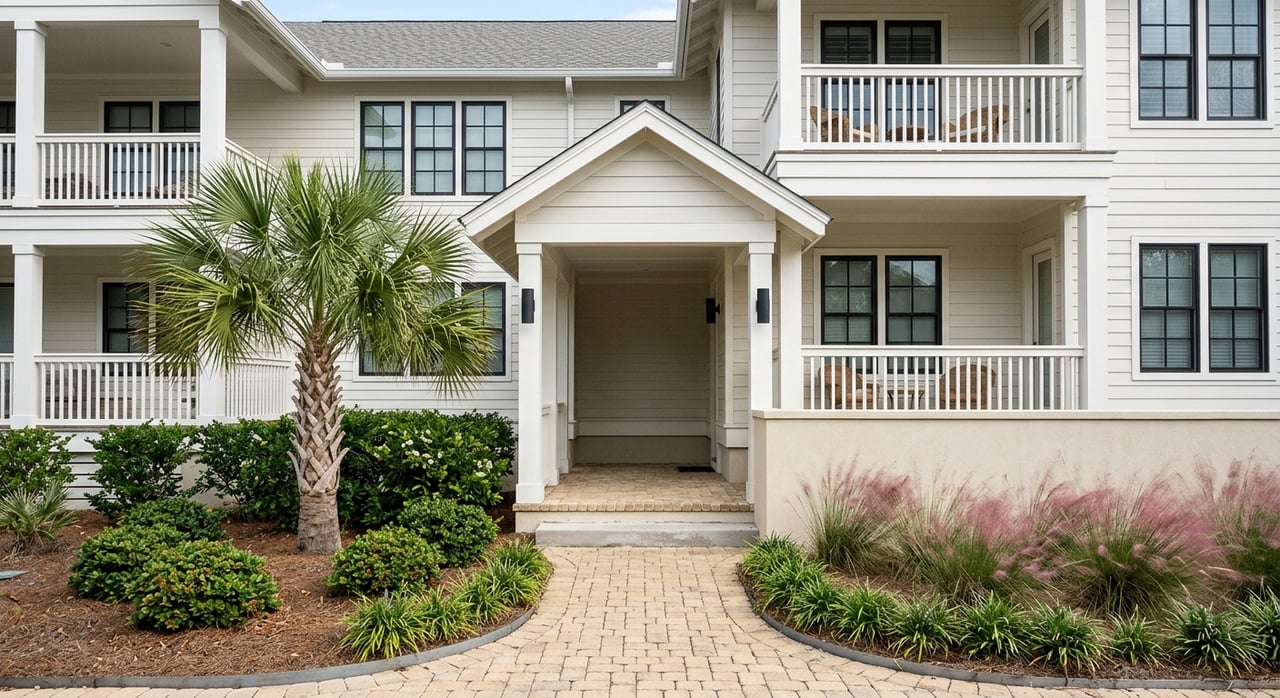
If you want a simpler lock-and-leave setup, condos and townhouse-style cottages often stand out first. Jekyll includes both condo and cottage options, including a newer oceanfront residential community with 123 townhouse-style cottages.
These properties may appeal to second-home buyers who want less day-to-day upkeep. Still, the actual ownership obligations depend on the specific development, the lease, and any association documents, so it is important to review each property carefully.
Detached Cottages and Single-Family Homes
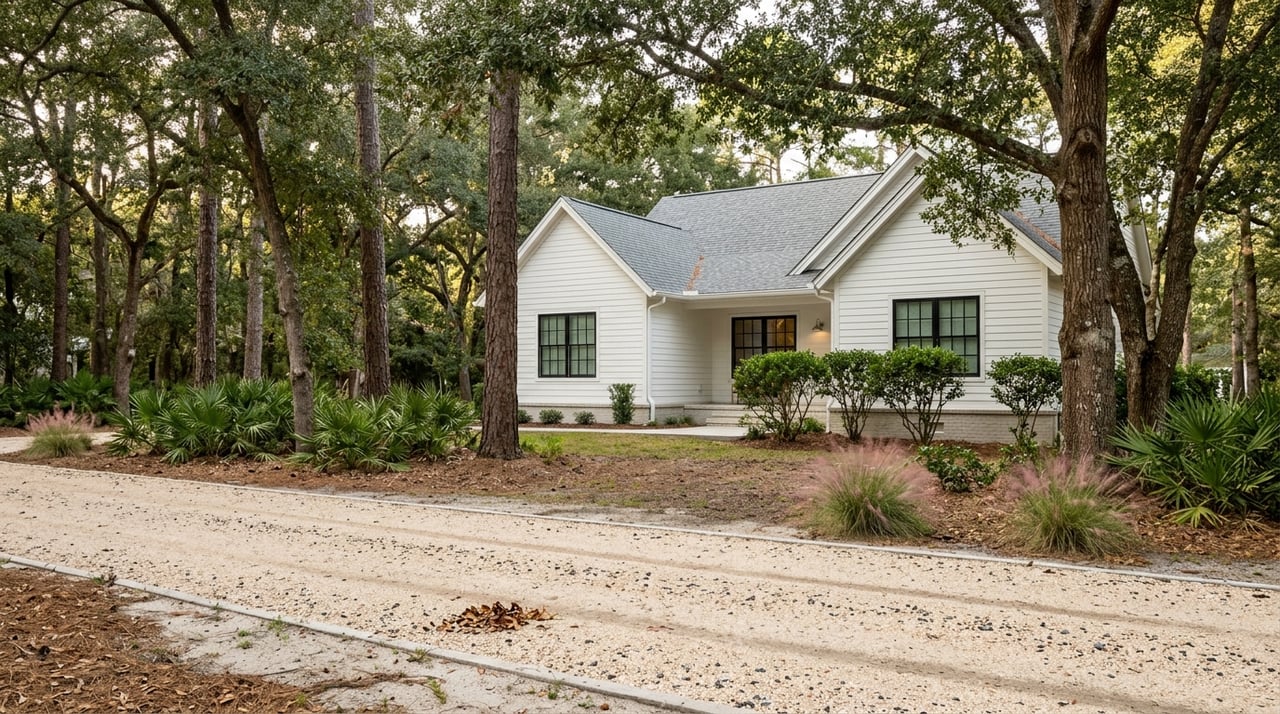
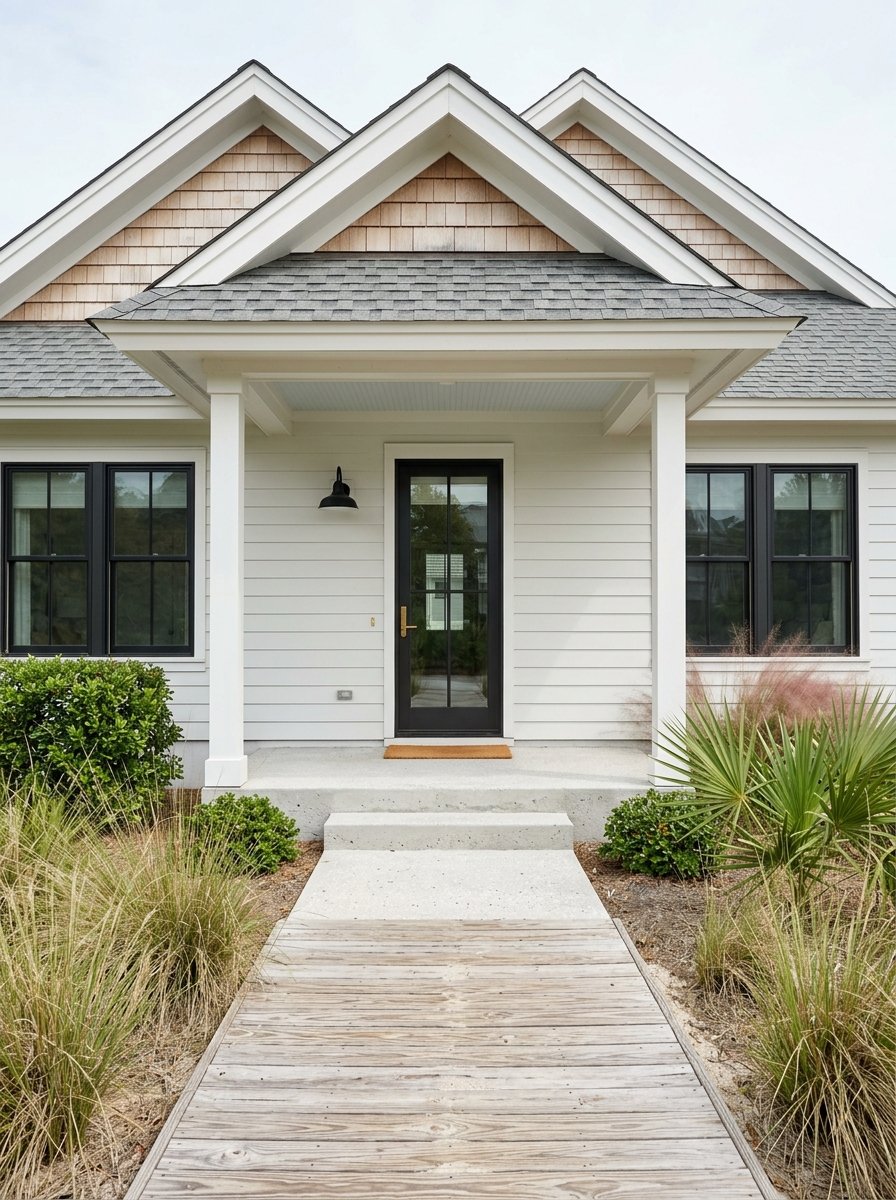
If you want more separation, outdoor space, or a more traditional house layout, detached homes may be a better fit. Jekyll’s residential code is designed to preserve neighborhood character through rules on height, setbacks, lot coverage, and design review.
In existing neighborhoods, lots generally may not be subdivided. Single-family districts are also restricted to detached homes and accessory structures, which can affect future plans if you are thinking long term.
Historic or Renovation-Sensitive Homes
Some buyers are especially drawn to older homes with character. On Jekyll, that can be rewarding, but it also calls for more planning because the island places strong emphasis on architectural preservation and neighborhood consistency.
If you are considering updates, review standards early. Work that exceeds 50 percent of the home’s value is treated under new-construction standards, which can trigger more review than you might expect in another coastal market.
Understand the Leasehold Structure
The leasehold model is one of the most important parts of buying on Jekyll Island. You do not own the land in the same way you would in a fee-simple purchase elsewhere.
Instead, the State of Georgia owns the land, and homeowners lease it through the Jekyll Island Authority. That means you should pay close attention to the lease expiration date attached to any property you consider.
This is not automatically a deal breaker. It simply means the lease is a central part of the value conversation, right alongside the home’s condition, location, and suitability for your second-home plans.
Budget Beyond the Mortgage
A second home budget on Jekyll Island should be broader than the sale price and monthly payment. Several recurring costs are part of ownership here, and they deserve a close look before you make an offer.
At a minimum, buyers should plan for:
- Mortgage payments, if financing applies
- Property taxes
- Maintenance and repair costs
- Annual lease rent
- Utility and sanitation costs
- Insurance costs, including possible flood insurance
- Vehicle entry and parking costs for regular use
JIA calculates annual lease rent at 0.4 percent of the fair market value of the leased land, as determined by the Glynn County Tax Assessor. That is a cost many buyers are not used to seeing in other second-home markets.
Utilities also work a little differently than some buyers expect. JIA provides water, sewer, and trash service, with trash, yard debris, and recycling charges billed on monthly water bills. Electricity is provided by Georgia Power, internet by Comcast, and phone service by AT&T.
It is also worth noting that regular trash service includes two cubic yards per week per home. If you need bulk pickup or extra containers, additional fees may apply.
If you plan to come and go often, include island access costs in your budget. All vehicles entering Jekyll Island pay an entry fee, and the current annual parking pass is $100 per vehicle.
Know the Tax Reality for Second Homes
Many second-home buyers ask whether they can claim a homestead exemption. In most cases, the answer is no.
Georgia and Glynn County require the property to be your legal residence and actually occupied as of January 1 of the tax year. If you are purchasing a vacation or seasonal property, you should generally plan your ownership costs without assuming a homestead exemption.
Plan for Flood and Storm Considerations
Buying on a barrier island means coastal risk is part of the decision. JIA notes that Jekyll is particularly at risk for hurricanes, and flooding is most likely along beaches and marshes.
That does not mean you should avoid the market. It does mean you should go in with realistic expectations about insurance, preparedness, and storm-related access.
For some properties, flood insurance may be required. FEMA states that flood insurance is mandatory for properties in Special Flood Hazard Areas when the mortgage is government-backed.
You should also understand that re-entry after an evacuation can be phased. In practical terms, that means property owners may not be able to return immediately after a storm event.
Think Carefully About Rental Plans
If you hope your second home will produce rental income, be sure to confirm what is required before you buy. Jekyll does allow overnight rentals, but they are regulated.
According to JIA’s resident FAQ, overnight rentals require a rental license and payment of 3 percent of gross rental revenues as percentage rent. The code also says short-term rental licenses require annual review, include occupancy and parking-plan standards, and do not transfer when the property sells.
That means a home with past rental use is not automatically plug-and-play for a new owner. If rental income is part of your strategy, the licensing rules should be part of your search criteria from day one.
Renovation Timelines Matter
If your dream second home includes updates, make room in your timeline for review and permitting. Jekyll’s permit process can take anywhere from two weeks to a couple of months, depending on when materials are submitted.
That may affect everything from move-in timing to contractor scheduling. It is especially important if you are buying an older property or planning work that could trigger new-construction standards.
A Smart Way to Evaluate Homes
On Jekyll Island, it helps to evaluate each property through a practical lens first and an emotional lens second. The island’s appeal is real, but the smartest purchases are usually the ones that balance lifestyle with rules, costs, and long-term fit.
As you compare homes, focus on these core questions:
- What is the lease expiration date?
- What are the annual carrying costs beyond the mortgage?
- Will the property support your renovation plans?
- If rentals matter, what licensing steps will be required?
- How will flood risk and storm access affect your comfort level?
When you answer those questions early, the search becomes much clearer. You can spend less time chasing homes that look appealing online and more time identifying the properties that truly fit your goals.
Planning a second home on Jekyll Island takes a more thoughtful approach than many coastal searches, but that is not a bad thing. With the right guidance, you can sort through lease terms, carrying costs, property options, and island rules in a way that feels manageable and well informed. If you are thinking about buying on Jekyll Island or elsewhere in the Golden Isles, Lori Lynn offers concierge-level local guidance to help you plan with confidence.
FAQs
What does leasehold ownership mean for a Jekyll Island second home?
- On Jekyll Island, the State of Georgia owns the land, and you generally own the structure and improvements for the length of the residential lease.
What costs should you budget for when buying a second home on Jekyll Island?
- In addition to the mortgage, you should budget for property taxes, maintenance, annual lease rent, utilities, sanitation charges, insurance, and vehicle parking or entry costs.
Can you rent out a second home on Jekyll Island?
- Yes, but overnight rentals require a Jekyll Island Authority rental license, annual review, and payment of 3 percent of gross rental revenues.
Can you claim a homestead exemption on a Jekyll Island second home?
- Usually no, because Georgia and Glynn County generally require the property to be your legal residence and occupied as of January 1 of the tax year.
Can you remodel a home on Jekyll Island?
- Often yes, but renovations may require design review and permits, and major work exceeding 50 percent of the home’s value is treated under new-construction standards.
What storm issues should second-home buyers consider on Jekyll Island?
- Buyers should consider hurricane risk, possible flood exposure near beaches and marshes, potential flood insurance requirements, and the fact that post-storm re-entry may be phased.