Choosing between a historic home and a newer one in downtown Brunswick can feel like choosing between charm and simplicity. If you love porches, original details, and the feel of an older street grid, a historic property may pull you in fast. If you want more predictable upkeep and fewer approval layers for future projects, a newer home may be the better fit. This guide will help you compare both options in Brunswick’s downtown area so you can make a confident decision. Let’s dive in.
Old Town Brunswick Basics
When people talk about historic downtown Brunswick, they are usually talking about Old Town Brunswick. This is the city’s historic core, based on Brunswick’s original 1771 town plan, and it was listed on the National Register in 1979.
Old Town is more than a collection of older houses. It is also a locally managed historic district, which means exterior changes are reviewed through the city’s Historic Preservation Board and typically require a Certificate of Appropriateness. That review process is designed to protect the district’s character while still allowing thoughtful updates.
What Historic Homes Feel Like
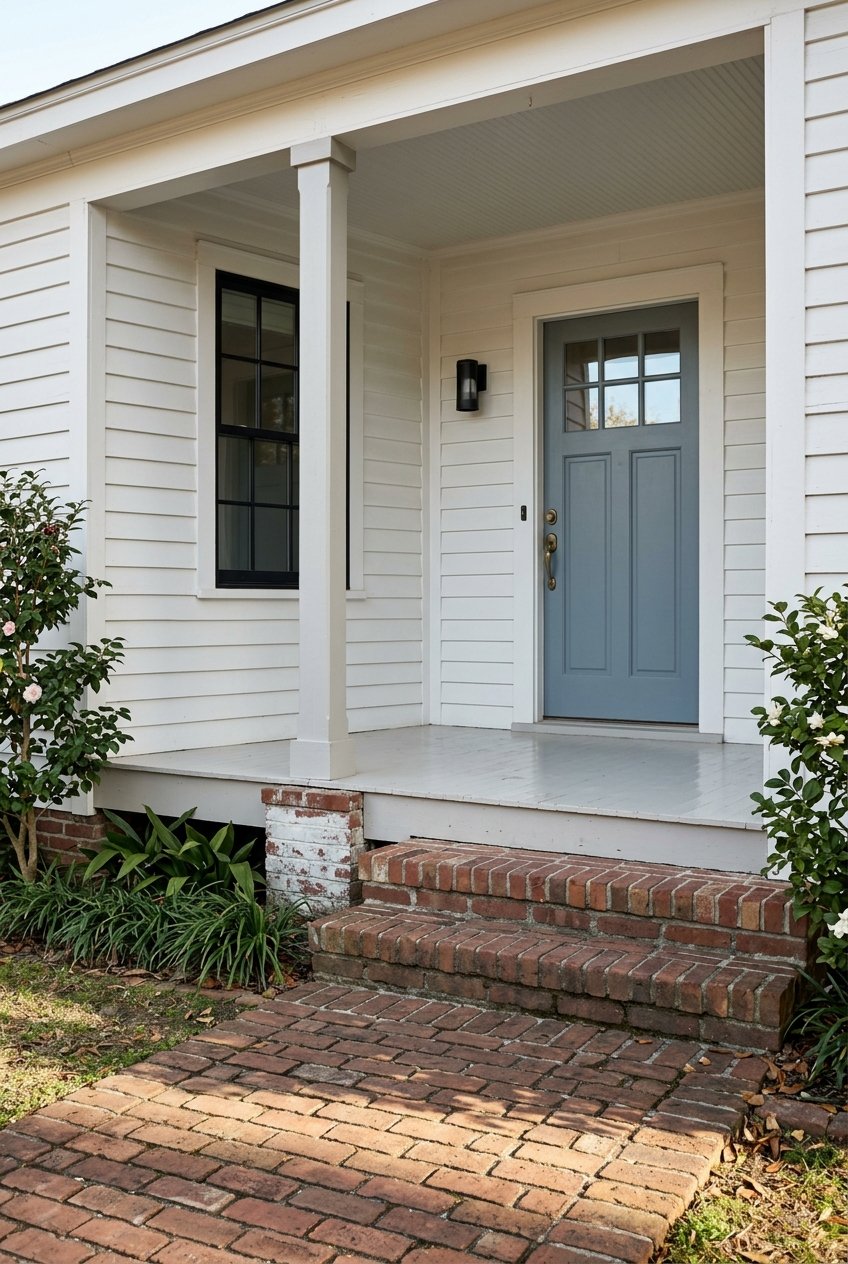
Historic homes in Old Town Brunswick often stand out for their architecture and streetscape. The area includes mostly frame homes that are one or two stories tall, along with porches, decorative woodwork, and a mix of home sizes and forms.
You may also see a wide range of architectural styles, including Second Empire, Folk Victorian, Craftsman, Queen Anne, Colonial Revival, and Neo-Classical. In practical terms, that can mean features like wraparound porches, mansard roofs, decorative trim, classical entry details, original wood windows, and more complex rooflines.
Part of the appeal is the setting itself. Old Town reflects the historic town plan and squares, with residential areas mixed into a true downtown environment rather than a newer, single-purpose subdivision.
What Newer Homes Usually Offer
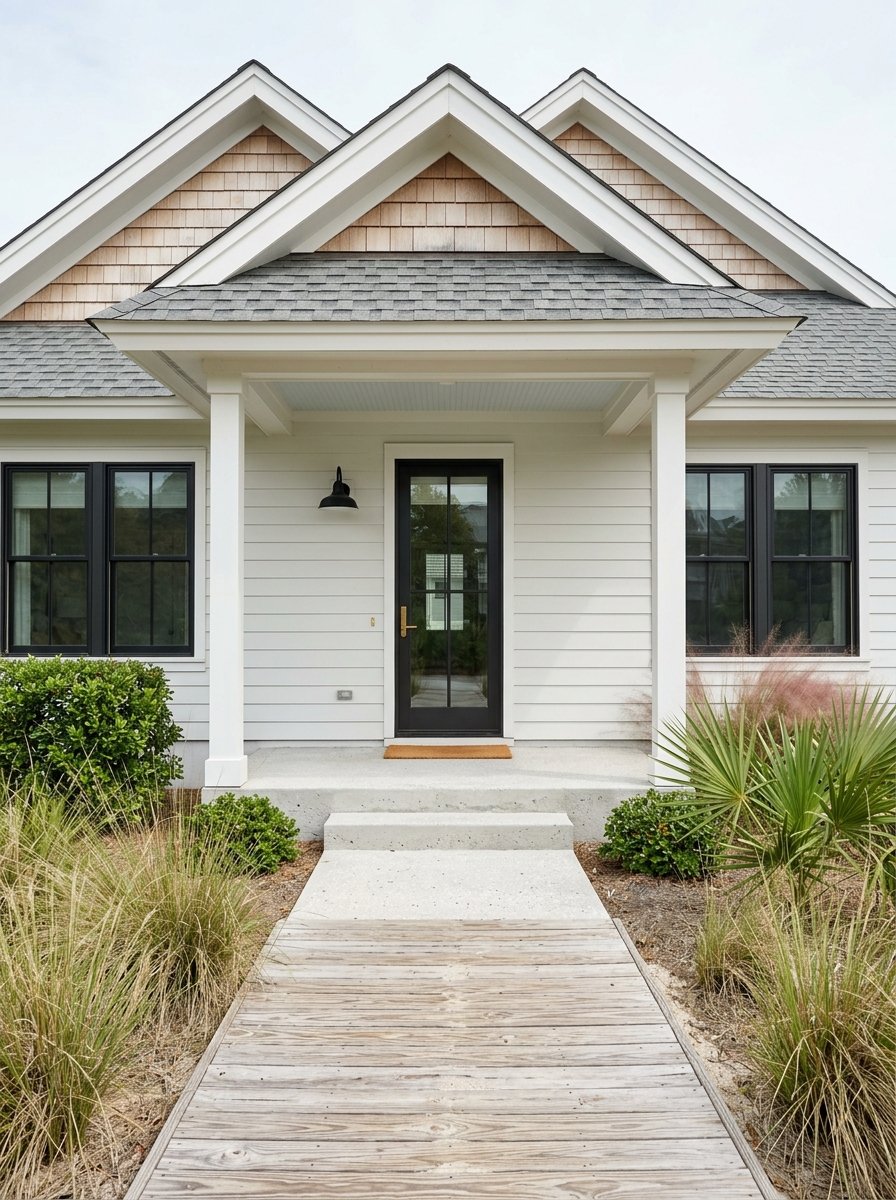
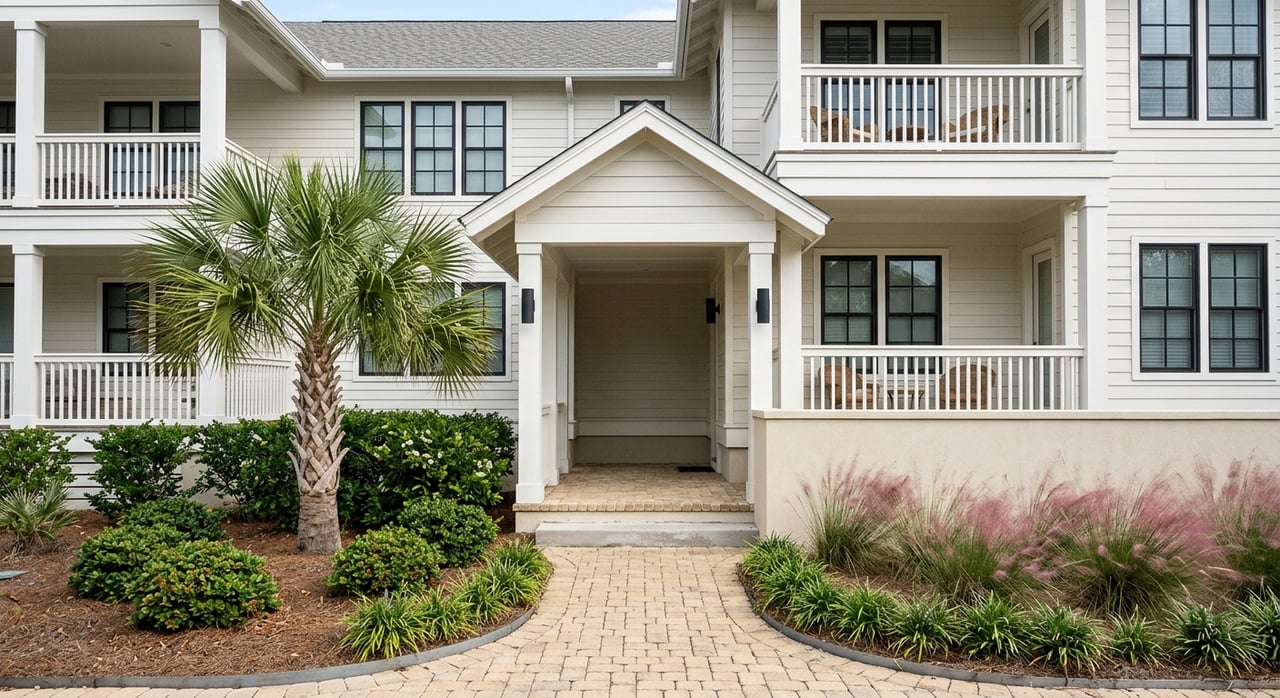
A newer home near downtown Brunswick often appeals to buyers who want fewer material-specific maintenance concerns. In many cases, you are less likely to deal with original wood siding, ornate trim, or issues tied to older painted surfaces.
That said, location still matters. If a newer home is built inside the historic district, it still needs to fit the city’s design framework for new construction, additions, energy improvements, and flood-related work.
If the home is outside the historic district, the path is usually more straightforward. You will still need to think about permits, inspections, code compliance, and flood-related requirements where applicable, but you typically will not have the same historic review layer for exterior work.
Historic vs Newer at a Glance
| Feature | Historic Home in Old Town | Newer Home Near Downtown |
|---|---|---|
| Character | Strong architectural detail and historic setting | Typically simpler, more standardized design |
| Exterior changes | Often require Historic Preservation Board review and a Certificate of Appropriateness | Usually standard city permits and inspections if outside district |
| Maintenance | More ongoing attention to wood, windows, porches, roofs, and drainage | Often fewer age-related material concerns |
| Renovation planning | Material matching and review process may shape decisions | Usually more flexibility outside the district |
| Buyer fit | Great for buyers who value charm and walkable historic surroundings | Great for buyers who prioritize easier upkeep and fewer review layers |
Key Maintenance Issues to Compare
Water Management Comes First
For older homes, water control is one of the most important things to check. Brunswick’s maintenance guidance highlights keeping gutters and downspouts in good repair, moving water away from the house, protecting wood siding, and making sure drainage moves away from the foundation.
That advice matters for both historic and newer homes, but older houses often need closer attention. During your due diligence, look carefully at siding, trim, windows, visible foundation issues, leaks, and crawl-space moisture.
Termites Matter in Georgia
Termites are a major concern in Georgia, especially where moisture is present. The University of Georgia notes that subterranean termites are the most common type in the state and that they depend on moisture in the soil.
Mud tubes are one of the classic warning signs. If you are considering an older or newer home near downtown Brunswick, a professional inspection is a smart step, especially if you see any evidence of moisture problems.
Lead Paint Can Affect Older Homes
If a home was built before 1978, lead-based paint is an important part of the conversation. Federal law requires disclosure of known lead-based paint information before the sale or lease of most pre-1978 housing.
If you plan to renovate, repair, or repaint areas that disturb older painted surfaces, that work can create lead dust. This is one reason older homes require a little more planning before you jump into updates.
Flood Risk Is a Downtown Brunswick Issue
Flood risk is not just a waterfront issue in Glynn County. The City of Brunswick notes that the area is hurricane-prone and that some locations require flood-resistant construction measures.
The city’s flood guidance says all properties fall within a flood zone category. X zones are considered low risk, shaded X zones are moderate risk, and AE and VE zones are high risk. For homes with federally backed loans in AE or VE zones, flood insurance is required.
This means a historic home is not automatically riskier than a newer home, and a newer home is not automatically simpler on insurance. Before you make an offer, compare the property’s flood zone, likely insurance costs, and any elevation or flood-resistance history.
It is also worth noting that Brunswick announced a Class 5 Community Rating System score in 2025. That translates to a 25% discount on most National Flood Insurance Program premiums starting October 1, 2025.
Permits and Records to Request
If you are looking at a home in Old Town Brunswick, paperwork matters almost as much as curb appeal. Since exterior changes in the district require review, you should ask for records tied to prior work.
A smart due diligence checklist includes:
- Permit history
- Any Certificate of Appropriateness approvals for exterior work
- Records of roof, porch, siding, or window updates
- Information on drainage or foundation repairs
- Flood zone details and insurance history if available
For newer homes outside the district, permit history still matters. It helps confirm that work was done with the city’s inspection and safety process in place.
Which Home Type Fits Your Lifestyle?
Historic Homes Fit Buyers Who Value Character
A historic home may be the right choice if you care most about architecture, porches, mature streetscapes, and the feeling of living in a traditional downtown setting. Many buyers are happy to take on more maintenance in exchange for that sense of place.
There may also be financial upside for the right renovation project. Georgia offers state tax incentives for certified substantial rehabilitation of a historic home, with a credit of 25% of qualifying rehabilitation expenses, capped at $100,000 for a principal residence for eligible tax years 2023 through 2029.
Newer Homes Fit Buyers Who Want Simplicity
A newer home is often a better match if you want a more predictable maintenance path. You may have fewer near-term repair concerns related to older materials and fewer design-review layers if the property sits outside the historic district.
That can be especially appealing if you are relocating, buying a second home, or simply want a home that feels easier to manage from day one. You still need to evaluate permits, flood risk, and condition, but the ownership experience may feel more straightforward.
A Simple Way to Decide
If you are torn between the two, start with your priorities rather than the listing photos. Ask yourself whether you care more about historic character and walkable downtown atmosphere, or easier upkeep and fewer approval steps for future projects.
A practical rule of thumb is this:
- Choose historic if character, porches, and setting matter most and you can budget for ongoing maintenance.
- Choose newer if simplicity, lower near-term upkeep, and fewer review layers matter most.
- For either option, compare the actual flood zone, insurance cost, condition, and permit history before making a final call.
In downtown Brunswick, there is no one-size-fits-all answer. The best home is the one that matches how you want to live, what you want to maintain, and how much flexibility you want for future updates.
If you want help comparing historic and newer homes in Brunswick, Lori Lynn offers local, concierge-level guidance to help you weigh lifestyle, condition, and long-term fit with confidence.
FAQs
What is considered the historic downtown area in Brunswick, Georgia?
- Old Town Brunswick is the city’s historic core, following the original 1771 town plan and recognized as a historic district with local preservation oversight.
Do historic homes in Old Town Brunswick require approval for exterior changes?
- Yes. Exterior changes in the historic district typically go through Historic Preservation Board review and require a Certificate of Appropriateness.
Are newer homes near downtown Brunswick easier to maintain?
- In many cases, yes. Newer homes often have fewer age-related material issues, though condition, flood risk, and prior work still need careful review.
What should buyers inspect first in an older Brunswick home?
- Start with water management, including gutters, drainage, siding, trim, leaks, foundation conditions, and crawl-space moisture.
Does flood zone matter for both historic and newer homes in Brunswick?
- Yes. Flood risk can affect both property types, so you should compare the home’s flood zone, insurance needs, and any flood-resistance history before buying.
Are there tax incentives for rehabbing a historic home in Georgia?
- Yes. Georgia offers a state tax credit for certified substantial rehabilitation of a historic home, subject to eligibility rules and program requirements.