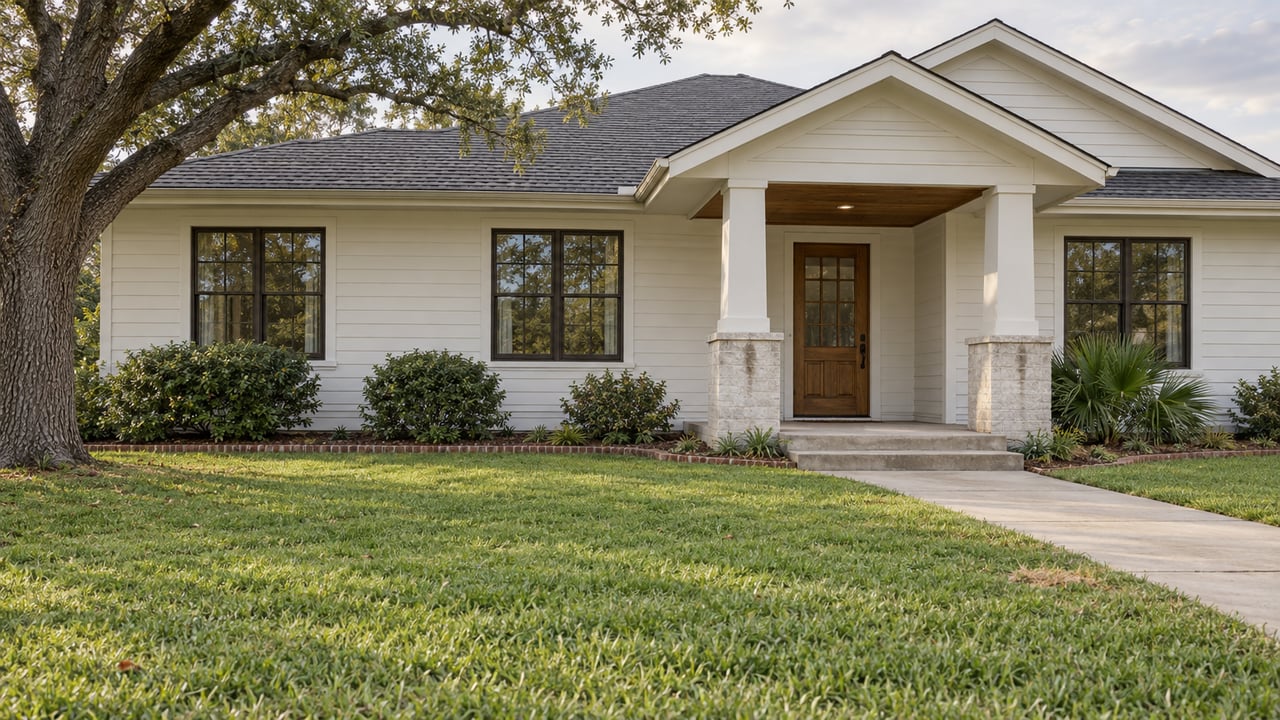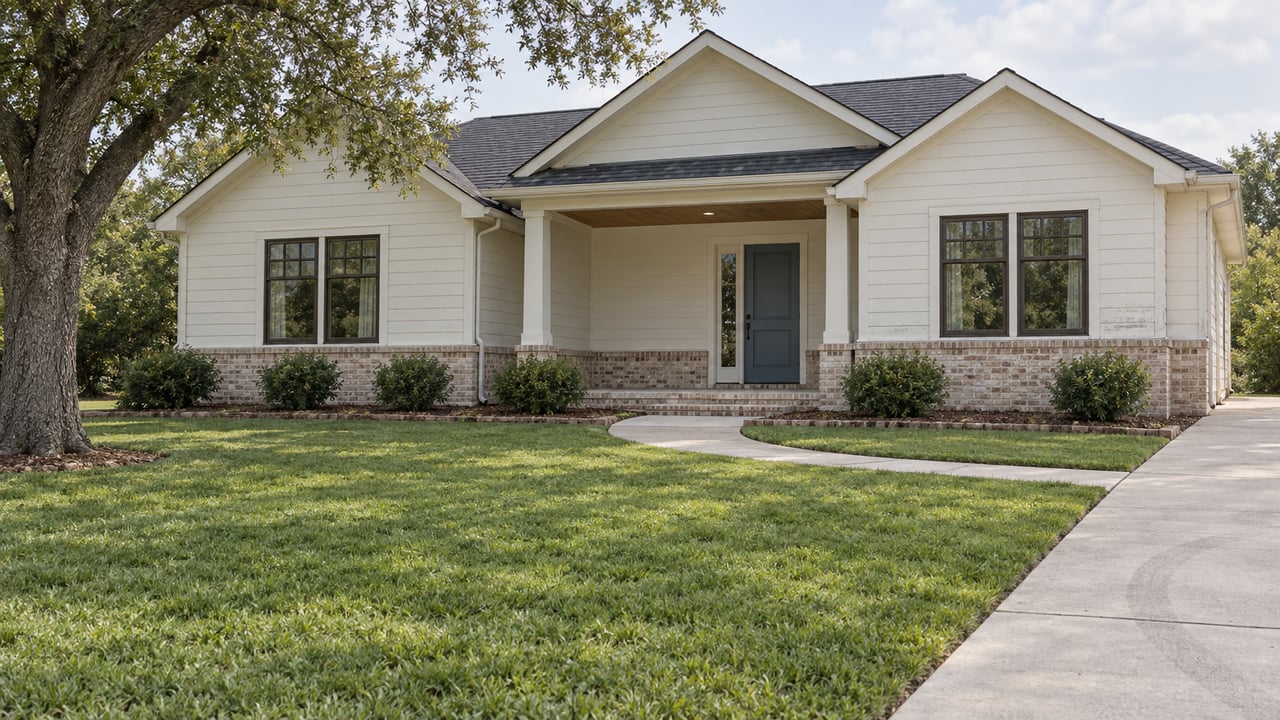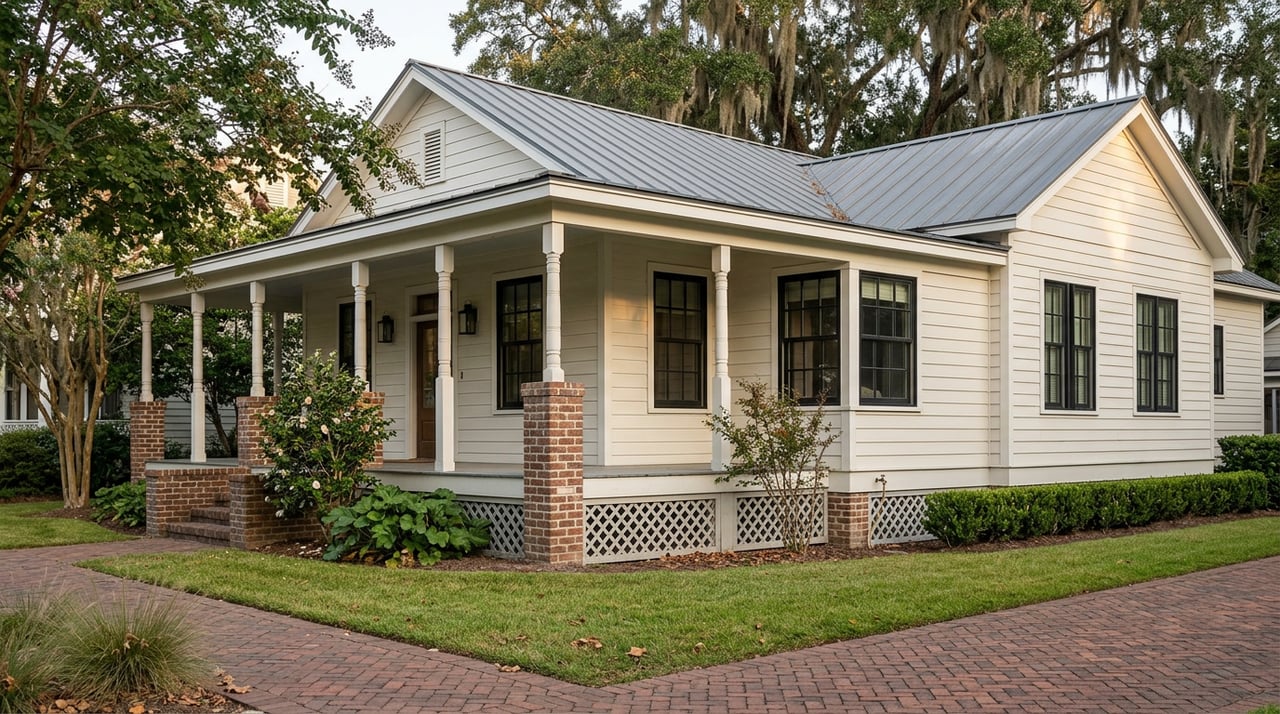
Somewhere in the resale disclosures for that 1940s bungalow near downtown Brunswick, there's a page mentioning a transferable termite bond. It reads like relief. Someone already handled this. The seller paid for protection, and now it passes to you.
It doesn't mean what most buyers think it means, and in Glynn County specifically, that gap matters more than it would almost anywhere else in Georgia.
A Bond Is a Contract, Not a Verdict
A termite bond is a service agreement between the seller and a pest control company. It typically includes an annual inspection and a promise to retreat the property if covered termite activity turns up during the contract term. What it is not is a fresh inspection report, and it is not a guarantee that the structure is currently free of wood-destroying organisms.
The distinction shows up constantly in industry guidance written for Georgia buyers: a transferred bond does not eliminate the need for an inspection, because that guarantee typically does not extend to damage from powder post beetles, wood-boring beetles, drywood termites, or wood-decaying fungus, and it says nothing about conducive conditions that could lead to a new infestation. A bond tells you what a company agreed to do if something specific happens later. It doesn't tell you what's happening in the crawl space right now.
The document that actually answers that question is the Official Georgia Wood Infestation Inspection Report, sometimes called a WDIR or Form 100. It's a point-in-time inspection completed by a licensed structural pest control company, and it distinguishes active infestation from old damage, notes areas the inspector couldn't access, and lists any conditions that make future infestation more likely. It's valid for a limited window, and Georgia's own fact sheet on the report notes that it comes with a 90-day guarantee if active infestation from a listed organism is found after apparent freedom was certified.
Those are two different documents answering two different questions. A bond tells you what happens if. A WDIR tells you what is.
Why the Math Is Different in Glynn County
Most of the guidance written about Georgia termite risk treats the state as one zone, and for the eastern subterranean termite, that's roughly true. Georgia sits inside the highest-pressure category the national termite probability rating system uses, and that alone would justify caution on an older home.
Brunswick carries an additional variable most statewide guides don't mention. Formosan subterranean termites, a more aggressive and more destructive species than the native eastern subterranean termite, are established along the Georgia coast in Chatham, Glynn, McIntosh, Liberty, and Camden counties, with confirmed activity documented as far inland as Statesboro. Glynn County is Brunswick's county. This isn't a theoretical coastal risk category. It's the specific termite population operators are pricing for when they quote a job in this area.
Formosan colonies matter because they're bigger and harder to stop with a single method. They typically contain five to ten times more termites than a native colony, and they build aerial carton nests that the Georgia Department of Agriculture's Plant Industry Division actively tracks, structures that let the colony hold moisture above ground and partly sidestep a standard soil barrier treatment. Because of that, coastal Georgia pest control operators typically quote 25 to 40 percent more for a property they suspect has Formosan activity, since the treatment plan usually has to combine a liquid barrier with an in-ground bait system rather than relying on either approach alone.
Here's why the crawl space matters as much as the county line. Roughly 38 percent of Georgia single-family homes built before 1980 sit on vented crawl spaces, the exact combination of temperature and moisture that subterranean termites favor. Brunswick's historic district and its surrounding older neighborhoods are full of homes built well before that cutoff. A bond written years ago, possibly under a different pest control provider, possibly before Formosan activity was confirmed as thoroughly as it is now, is not the same protection as a current inspection on a pre-1980 house with a crawl space and coastal humidity working against it every summer.
The Contract Quietly Shifted This Burden to You
Buyers often assume Georgia law requires a termite report before closing, or that a seller has to produce one. Neither is quite right, and the history of how that changed is worth knowing.
The Georgia Association of Realtors forms committee removed the wood infestation report requirement from the standard purchase agreement in 2007, citing federal guidance that inspections weren't necessary outside recognized termite-prone areas. After pushback from the Georgia Pest Control Association, the committee added the requirement back into the contract for 2011. Since then, the standard GAR purchase and sale agreement has generally placed the responsibility for ordering a wood-destroying organism inspection on the buyer, as part of due diligence rather than as a seller obligation. In practice, that means the burden of proving a house is clear sits with whoever is buying it, not whoever is selling it.
That structure explains why the bond feels like a substitute. It arrives in the seller's disclosure packet looking official, while the WDIR is something the buyer has to think to order. If nobody raises it, nobody orders it, and a lender relying on that missing report will simply flag it as a closing condition later, often at a less convenient point in the timeline.
Timing the Inspection Around Swarm Season
Georgia's two dominant species don't swarm on the same schedule, and it affects both what you'll see if you visit the property and how fast you can get an inspection scheduled.
The eastern subterranean termite swarms in daylight from February through May, typically earlier in the season here than in cooler parts of the state. The Formosan termite swarms at night, later in spring. If you're touring homes in March or April and notice discarded wings on a windowsill, that's worth mentioning to your agent before the due diligence clock starts, not after.
Scheduling has its own seasonal pattern. Late January through mid-February tends to be the easiest window to book an inspector, with more room to negotiate on bond pricing and slightly lower rates on pre-swarm treatment work. Mid-April through mid-June is the opposite. Swarm season volume pushes many operators to three or four week waits and takes bond discounts off the table. If your closing timeline lands in that window, plan to order the inspection earlier in your due diligence period rather than waiting until the last week.
Questions Worth Asking Before You Rely on a Bond
- Is the bond a retreatment-only agreement, or does it include repair coverage if active damage is found
- Does the bond's language explicitly cover Formosan subterranean termites, or only the native eastern species
- When was the property last inspected under this bond, and by which licensed company
- Is the bond actually transferable to a new owner, and is there a fee to complete that transfer
- Has a current Official Georgia Wood Infestation Inspection Report been ordered for this specific transaction, dated close enough to closing to satisfy your lender
Bond and Report, Side by Side
| Termite Bond | Official Georgia WDIR | |
|---|---|---|
| What it is | Ongoing service contract with a pest control company | Point-in-time inspection report |
| What it confirms | The company's obligation to retreat under covered conditions | Presence or absence of visible active infestation and damage at inspection date |
| Typical cost | $175 to $375 a year to maintain, after initial treatment | $50 to $250 for the inspection itself |
| Formosan coverage | Only if explicitly stated in the contract | Documents whatever species evidence is visible, regardless of what a separate bond covers |
| Transfers to a new owner | Sometimes, often for a fee, if the seller agrees | Not applicable, ordered fresh for each transaction |
A Few Questions Buyers Ask Next
If the home already has a bond, do I still need to pay for a new inspection? Even on a cash purchase, an inspection dated to this transaction is the only document that reflects current conditions rather than the history behind an existing bond.
Can I ask the seller to pay for the inspection? Sellers cover it in many traditional transactions, though the terms are worth confirming in writing rather than assuming.
What happens if the report finds something? A failed report doesn't end a deal on its own. It typically triggers treatment by a licensed pest control company, followed by a new inspection and a fresh report before closing, with the timeline for that back and forth something your lender and closing attorney will want documented early rather than discovered late.
A resale packet full of paperwork can feel like due diligence has already been done for you. On an older Brunswick home, in a county where Formosan termites are an established fact rather than a distant risk, the paperwork worth trusting is the one dated to your closing, not the one dated to somebody else's.
If you're weighing an older home in Brunswick and want to talk through what belongs in your due diligence period before you write an offer, Lori Lynn works this market every day and can help you build a checklist that fits the house you're actually buying. Let's Connect.
This article is general information, not legal, tax or financial advice. Consult a qualified professional about your situation.