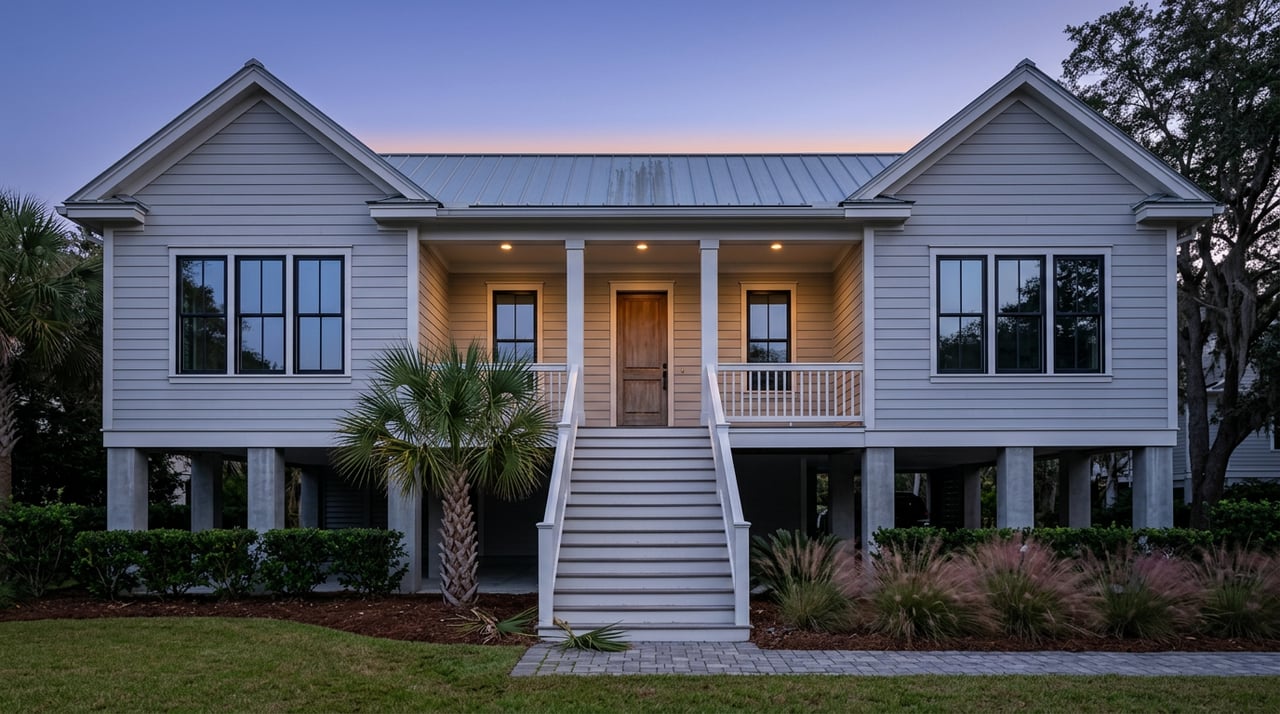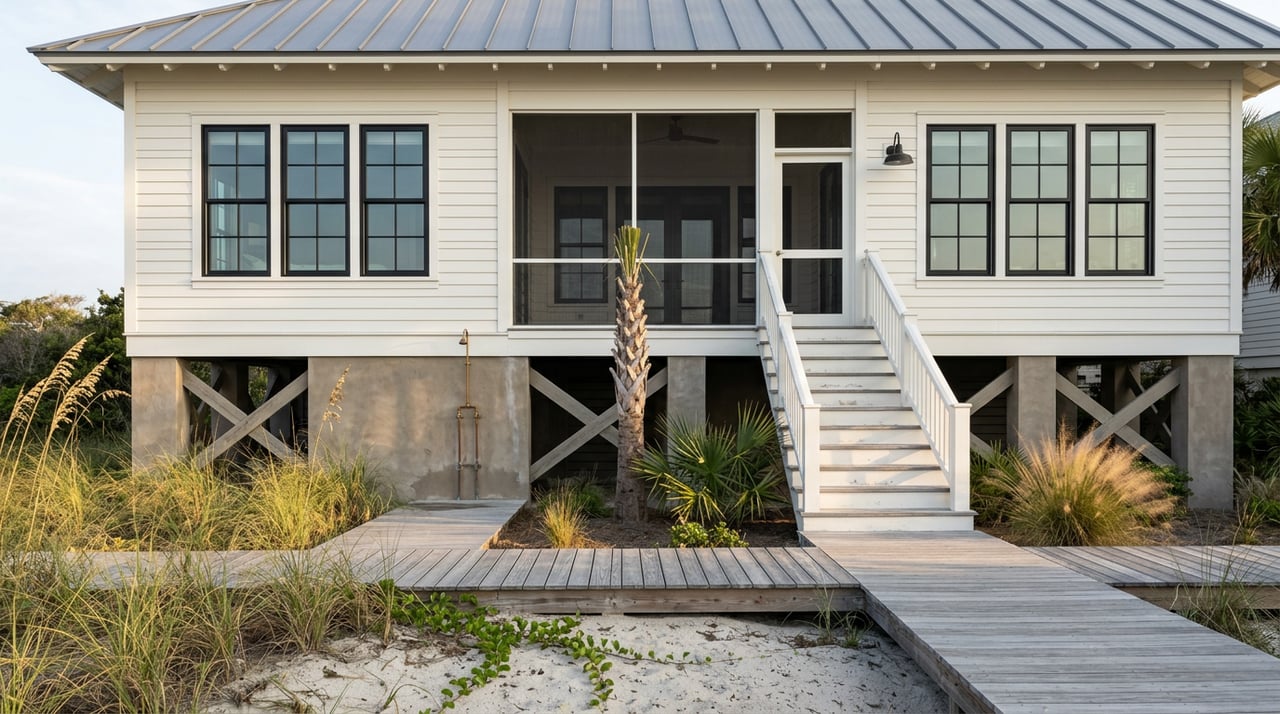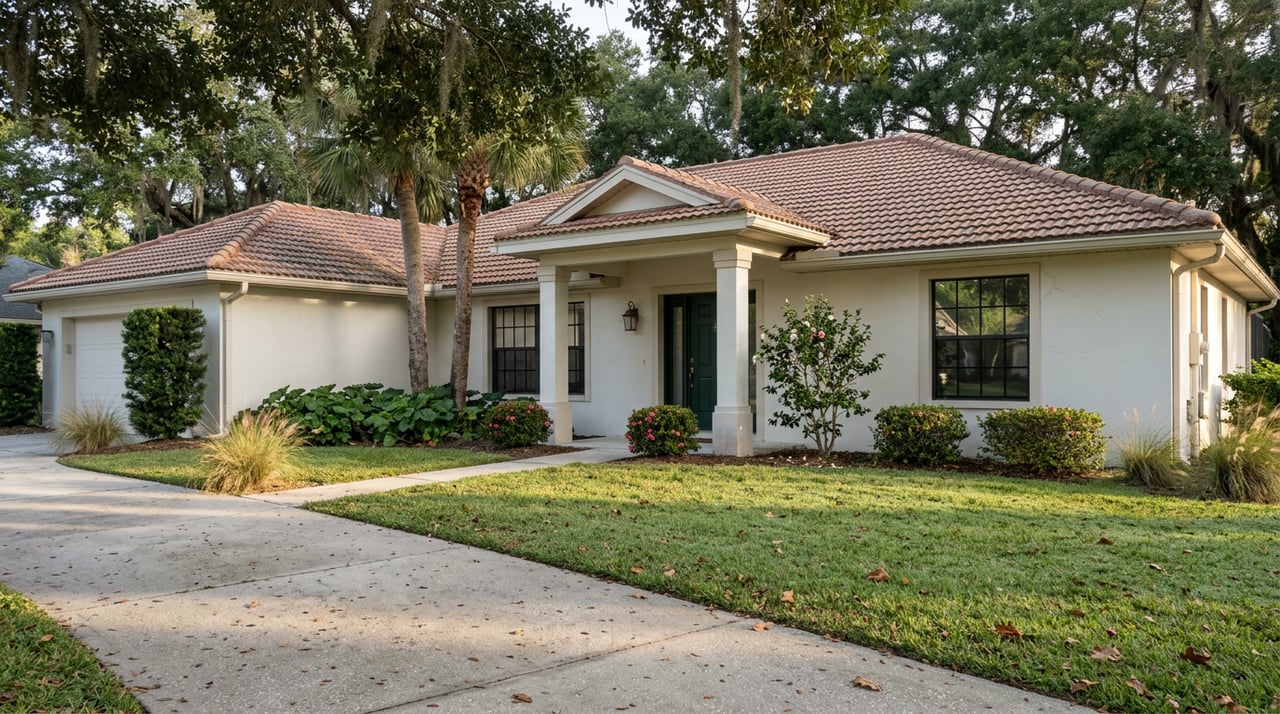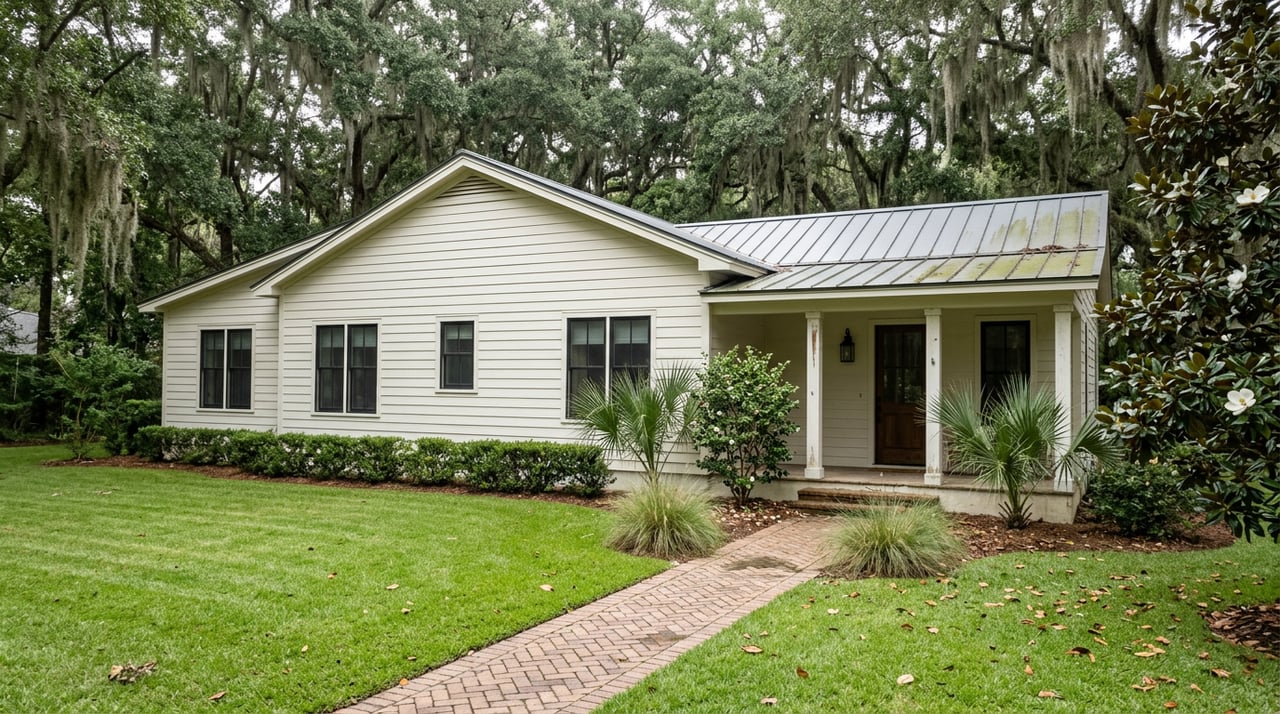
Most homeowners in Mid-South St. Simons Island who hear "tree ordinance" assume it means a county inspector with a tape measure standing under their live oak, deciding whether they're allowed to trim it. That's not quite what's happening. Glynn County's tree canopy rule barely touches most lots in this corridor at all. The rule that actually stops a lot of renovation plans cold arrived in the same package, wears the same headline, and has almost nothing to do with tree canopy percentages.
If you own property between Demere Road and Sea Island Road, or you're shopping for one, the distinction is worth fifteen minutes of your time before you write an offer that assumes you can add a guest cottage or an income unit later.
Two Rules, One Envelope
Glynn County just finished a multi-year rewrite of its zoning and subdivision ordinances. Draft versions went out for public review in three rounds, on November 3, 2025, February 17, 2026, and March 11, 2026, before the Board of Commissioners adopted the final documents. The updated ordinances took effect July 1, 2026, which means they've been governing every permit application on the island for close to two months now.
Two pieces of that rewrite matter for anyone thinking about adding living space on St. Simons Island. The first clarifies how the county's existing St. Simons Island Tree Canopy Preservation rule gets administered. The second, tucked into the same density section, sets a new rule for accessory dwelling units: on St. Simons Island, an ADU is now only allowed on a lot of one acre or larger, and that lot still has to meet a 60 percent site coverage cap.
Vice Chairman Walter Rafolski described the overall rewrite this way when the board adopted it:
"These updates bring clarity and consistency to our development process."
That's a fair description of the tree rule, which was already fairly well understood. It's a less accurate description of what the ADU threshold does to a homeowner on a standard in-town lot who assumed the canopy math was the only hurdle in front of a guest cottage.
What the Tree Rule Actually Requires, and Who It Skips
The tree canopy ordinance applies only on St. Simons Island. It doesn't reach mainland Glynn County, Brunswick, or Jekyll Island. On the island itself, it draws a clear line at lot size and use.
A Tree Plan has to be approved by the Islands Planning Commission before the county will issue a site plan, building permit, preliminary plat, expedited subdivision, or land disturbance permit for any commercial property, any industrial property, or any residential lot of one acre or more. Once a property crosses that line, the development has to provide at least 50 percent tree canopy after the work is done. The county calculates that requirement by taking the total site area and multiplying it by 0.25, since its own research shows every square foot of preserved open soil eventually produces about two square feet of canopy. A property owner who preserves an existing specimen tree gets a 25 percent bonus credit on the open soil area around it, and the Tree Advisory Board keeps the list of which species count as large, medium, or small canopy for these calculations.
Here's the part that surprises people who assume the rule reaches every yard on the island:
| Property type | Tree Plan required before permit? | 50% canopy math applies? | Permission still needed to remove a mature live oak? |
|---|---|---|---|
| Commercial or industrial, any size | Yes | Yes | Yes |
| Residential, one acre or larger | Yes | Yes | Yes |
| Residential, under one acre (the typical Mid-South lot) | No | No | Yes |
That bottom row describes most of the housing stock in this stretch of the island. Mid-South St. Simons is built out with established homes on lots that run well under an acre, shaded by the live oaks, magnolias, and palms the neighborhood is known for. If you're adding a screened porch, a second-story addition, or a pool on a typical parcel here, the canopy percentage math in the ordinance simply doesn't apply to your project. You still need county permission before removing a mature live oak, regardless of your lot size, but you're not running the same site-wide calculation a one-acre or commercial property has to run.
The Line That Actually Decides Your Guest Cottage
This is where the story stops being about trees. The new ADU rule doesn't care what percentage of your lot is shaded. It cares about acreage and site coverage, full stop.
Under the rewrite, an accessory dwelling unit on St. Simons Island now requires:
- A lot of one acre or larger
- Total site coverage, including the primary home, the ADU, driveways, and any other impervious surface, that stays at or under 60 percent
If you're picturing a detached guest cottage for aging parents, a small rental unit to help offset carrying costs on a second home, or a studio over a garage, this is the rule that actually governs whether the county will let you build it, not the tree canopy percentage. And because most Mid-South lots run under an acre, a meaningful share of the homes in this corridor are excluded from adding a legal ADU no matter how much canopy they preserve or how carefully they design around the existing oaks.
This matters most for buyers who are shopping with a specific plan in mind. If part of your reason for choosing a home in Mid-South St. Simons Island is the idea of adding space for a family member or a rental unit down the road, the county's own acreage figure for that lot, not its walkability to Redfern Village or its proximity to Demere Road, is the number that determines whether that plan is even legally possible. A real estate agent or seller telling you a lot has "plenty of room" for an ADU isn't the same as that lot clearing one acre on a boundary survey.
Before You Assume Either Way
The practical move here is straightforward. If your renovation plan is a home addition on a standard lot, the tree canopy math likely doesn't apply to you, though you'll still want to confirm with the county before any mature live oak comes down. If your plan includes an ADU, guest cottage, or separate rental unit, check the recorded lot size against the one-acre threshold before you get attached to the idea, and run the site coverage math with your builder before assuming a smaller structure will fit inside the 60 percent cap alongside your existing home and driveway.
Sellers benefit from knowing this too. If your property happens to sit at or above an acre in this corridor, that's a genuine selling point for buyers interested in multi-generational living or rental income, and it's worth stating plainly rather than assuming buyers will find it in a survey. If your lot is smaller, it's worth being upfront that ADU potential isn't part of the property's story, so you're not fielding offers contingent on plans the county won't approve.
A Few Questions Worth Asking Next
Does this apply to my home if I live in Brunswick or elsewhere on the mainland? No. The tree canopy ordinance and the ADU acreage rule both apply only to St. Simons Island.
My lot is under an acre. Am I completely exempt from the tree ordinance? Not entirely. You're exempt from the Tree Plan approval process and the 50 percent canopy calculation, but the county still requires permission before you remove a mature live oak, regardless of lot size.
Can I get around the ADU rule by preserving extra canopy to offset a smaller lot? No. The one-acre minimum and the 60 percent site coverage cap for ADUs are separate from the canopy percentage requirement. Preserving trees doesn't change your lot's acreage.
If you're weighing a purchase in Mid-South St. Simons Island with a specific renovation or ADU plan in mind, or you're getting ready to sell a home where lot size is part of the value story, Lori Lynn can help you sort out what a specific parcel actually allows before you write the offer or the listing description. Let's Connect.